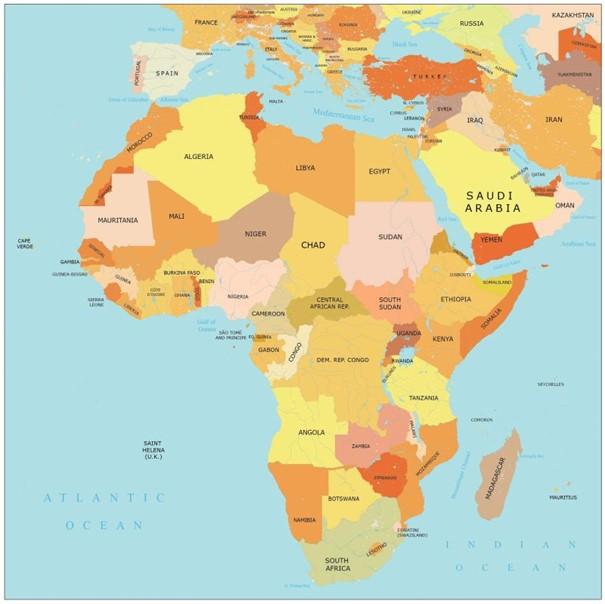
Many international companies see Africa as a continent of opportunity, rich in resources and growth potential. Yet, a significant number of them fail to establish a lasting presence there. One of the main reasons for these failures lies in a common strategic error: approaching several African countries with a uniform approach, without taking local specificities into account.
Africa is not a single market. It comprises more than fifty countries, each characterized by its own culture, consumption habits, regulatory framework, and economic realities. This diversity is both an asset and a challenge. A strategy that works in one country may prove ineffective, or even unsuitable, in another. For example, a successful business model in South Africa does not guarantee success in Egypt. Similarly, an offering that is well-received in Morocco may not find its audience in Kenya.
This heterogeneity demands a much more refined and nuanced approach from businesses. It is not enough to simply replicate an existing model or apply a standardized global strategy. On the contrary, the key to success lies in the ability to deeply understand each target market. This involves analyzing consumer behavior, identifying specific expectations, assessing purchasing power, and adapting to local regulations.
Developing a market access strategy—or “route-to-market”—must be tailored to each country. It must incorporate elements such as distribution channels, local partnerships, communication methods, and cultural preferences. A company that takes the time to build a suitable approach maximizes its chances of success and sustainable growth.
Furthermore, this adaptation should not be seen as a constraint, but as a genuine opportunity. By establishing a local presence, businesses can better meet consumer needs, strengthen their competitiveness, and differentiate themselves in markets that are often already highly competitive. This close connection to the local level also allows for greater responsiveness to economic and social changes.
Success in Africa depends not only on ambition or financial resources, but above all on the ability to adapt. Successful companies are not those that simply copy and paste a single model across multiple countries, but those that intelligently adjust their strategy to each local context. In such a diverse continent, a deep understanding of markets is the true key to sustainable and controlled growth.